Polycystic ovary syndrome affects roughly 1 in 5 Indian women, and it usually begins in the teenage years — but it is frequently dismissed as "periods take time to settle".
Signs worth taking seriously
- Periods still irregular more than 2 years after your first one
- Gaps longer than 45 days, or fewer than 8 periods a year
- Heavy hair growth on the face, chin, chest, or stomach
- Acne that does not respond to ordinary skin care
- Darkened, velvety skin at the neck, underarms, or groin (acanthosis nigricans) — this one points to insulin resistance and is easy to miss
- Weight gain concentrated around the middle
Irregular periods alone in the first two years are usually just an immature cycle, not PCOS. It is the combination, and the persistence, that matters.
Why it matters early
PCOS is not only about periods. It raises the long-term risk of type 2 diabetes, high blood pressure, and difficulty conceiving later. Acting at 16 is far easier than acting at 32.
What genuinely changes the course
- Movement most days. Muscle uses glucose without needing much insulin, which is the core problem in PCOS. This works even if your weight does not change.
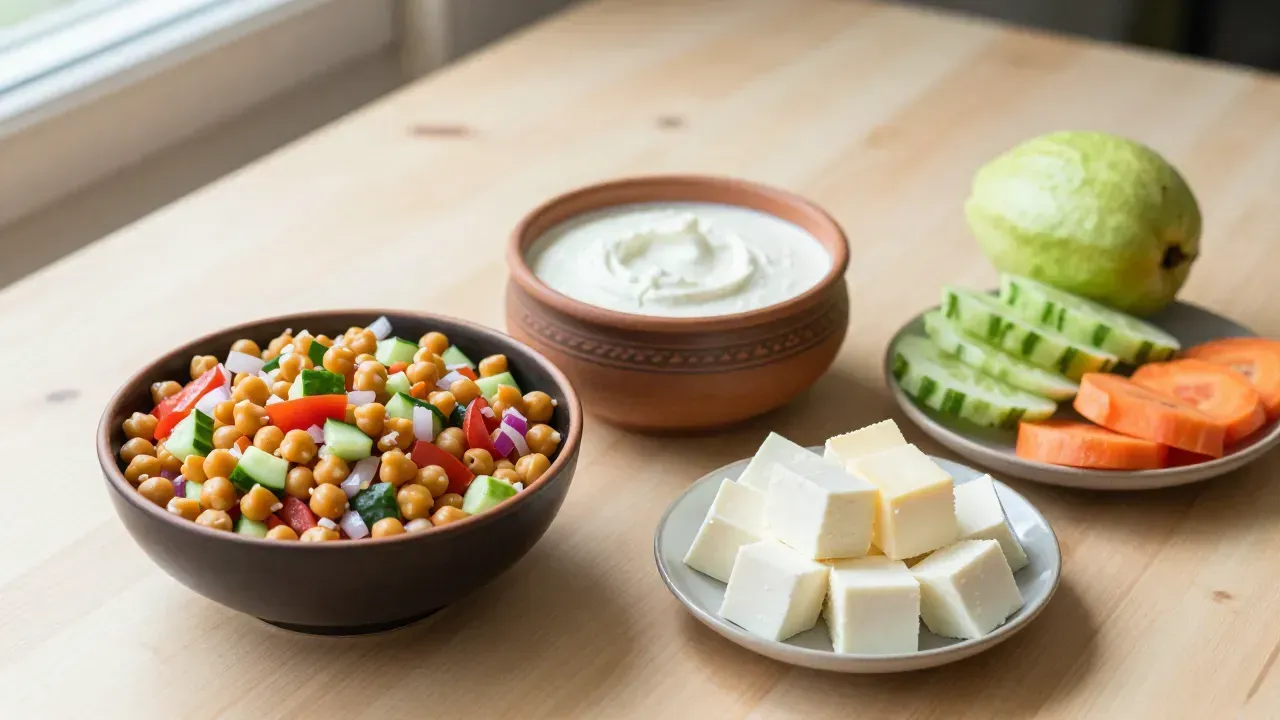
- Meals built around protein and fibre, with refined carbohydrate (maida, white rice, sugar, biscuits) reduced rather than eliminated.
- Sleep. Short sleep worsens insulin resistance measurably.
- Not crash dieting. Very restrictive dieting reliably makes cycles worse.
What to ask a doctor for
A conversation, a physical examination, and usually blood tests. An ultrasound is often not recommended for diagnosis in teenagers, because polycystic-looking ovaries are common and normal at that age — so do not be alarmed if a doctor declines to order one.
PCOS is manageable, and most women with it who want children go on to have them.