The months before conception shape a pregnancy more than most people realise. A baby's neural tube closes in the first 28 days, often before a woman knows she is pregnant.
Folic acid, started early
This is the single most evidence-backed step. It prevents neural tube defects, and it only works if it is already in your system at conception — starting after a positive test is too late for this particular benefit. Ask your doctor for the right dose for you; it is higher for some women, including those with diabetes, epilepsy on certain medicines, or a previous affected pregnancy.
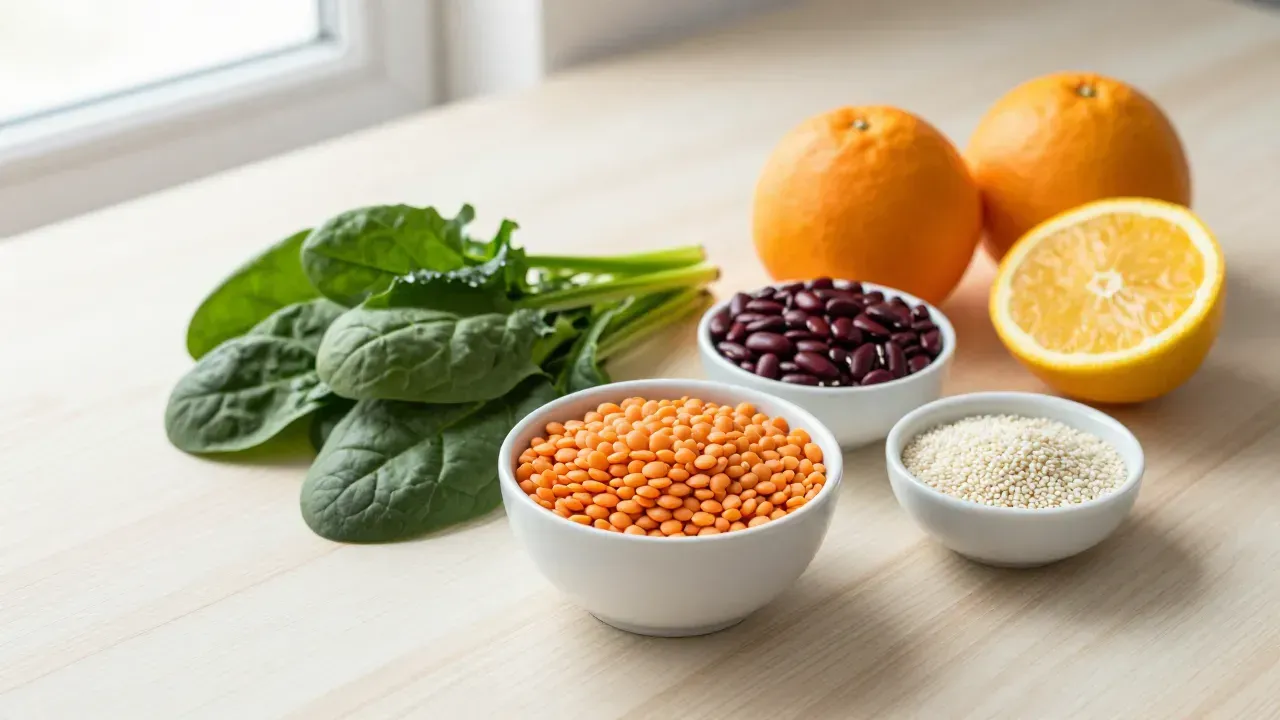
Food sources help alongside a supplement, not instead of it: dark green leaves, beans, citrus, and fortified flour.
Build iron stores now
Pregnancy draws heavily on iron, and anaemia is very common among Indian women before they even conceive. Iron-rich foods (masoor and rajma, palak, drumstick leaves, til, jaggery) paired with a vitamin-C food improve absorption several-fold. Keep tea and coffee away from meals.
Weight, in either direction
Both being underweight and carrying excess weight make conception slower and pregnancy more complicated. Modest, steady change helps; crash dieting does not.
Worth stopping before, not during
- Alcohol — no safe amount is established in pregnancy
- Tobacco in every form, including chewing tobacco and gutkha, and second-hand smoke at home
- Unprescribed supplements and herbal preparations. "Natural" is not the same as safe in pregnancy — several common Ayurvedic and home preparations are specifically not advised.
Both partners
Sperm take about 3 months to develop, so a partner's smoking, alcohol, heat exposure, and diet in those months matter too. Fertility is rarely one person's issue.
When to seek help
Under 35 and no pregnancy after 12 months of regular unprotected sex; 35 or over, after 6 months. Sooner if periods are very irregular, absent, or if there is known PCOS, endometriosis, or previous pelvic surgery or infection.