Menopause is a single day — 12 months after your last period. The years leading up to it, perimenopause, are the ones people actually feel, and they commonly begin in the mid-forties. Indian women reach menopause around 46–48 on average, earlier than the global figure.
What changes
- Periods become irregular, sometimes much heavier, then further apart
- Hot flushes and night sweats
- Disturbed sleep, often independent of flushes
- Mood changes, irritability, low mood, or anxiety
- Vaginal dryness and discomfort during sex
- Joint aches
- Thinning hair, drier skin
Not everyone gets all of these, and severity varies enormously.
Bone health is the quiet priority
Oestrogen protects bone. When it falls, bone loss speeds up sharply for several years. Most Indian women enter this stage already low on both calcium and vitamin D.
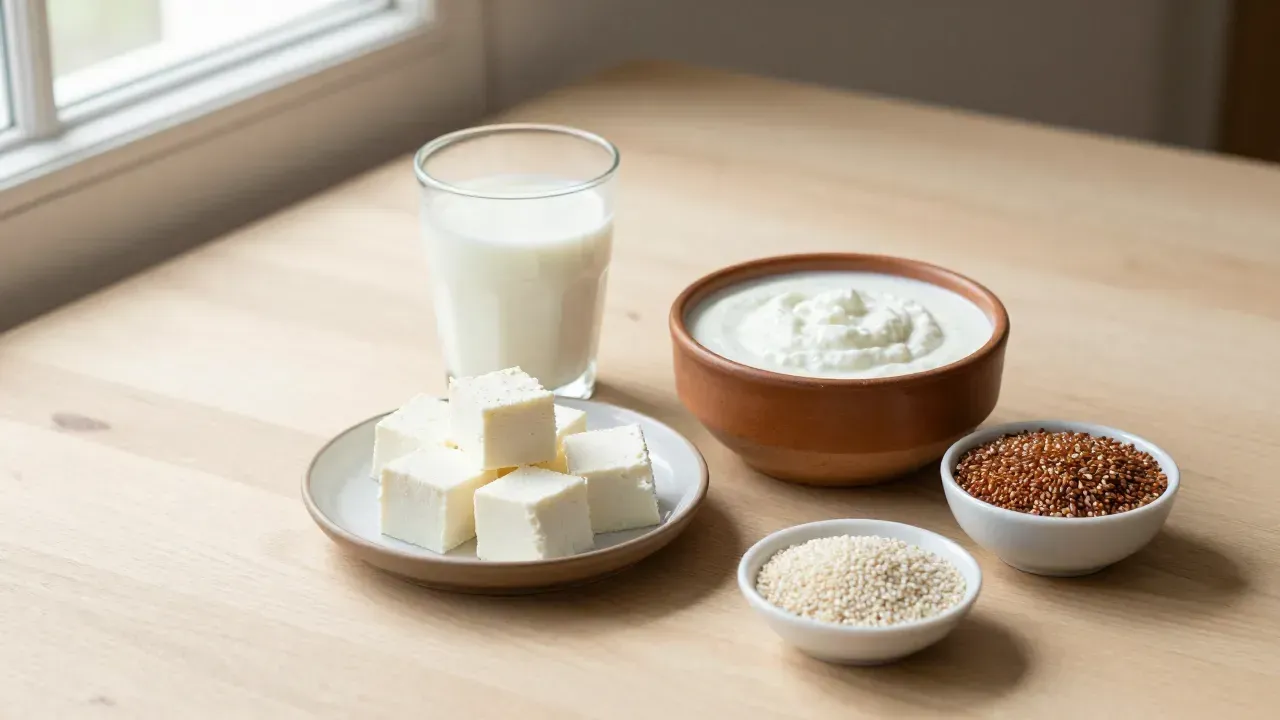
Calcium every day: milk, curd, paneer, ragi, sesame (til), amaranth (rajgira), drumstick leaves, and small fish eaten with the bones. Vitamin D: sunlight on bare arms for 15–20 minutes in the morning, plus fortified foods. Ask your doctor whether you need a supplement and at what dose — vitamin D dosing is individual and should not be guessed.
Heart health
Heart disease risk rises after menopause. The same habits help: less salt, fewer fried and packaged foods, more vegetables and whole grains, and regular walking.
Weight-bearing exercise
Walking, stair climbing, and light strength work all signal bone to hold on to its density. Swimming and cycling are good for the heart but do far less for bone.
Worth seeing a doctor about
- Bleeding after 12 clear months without a period — always get this checked
- Flushes that disrupt sleep every night
- Low mood that persists
- Periods before 40 becoming irregular (early menopause is worth investigating)
Treatments exist, including hormone therapy, and they suit some women and not others. It is a conversation to have rather than a decision to make alone.